






Calterah UWB CPD Radar Development Suite Accelerates UWB In-Cabin Sensing Deployment
2026-08-03
In in-cabin sensing scenarios, Calterah UWB SoC CAL1106AQ is capable of child presence detection (CPD), passenger classification, vital sign monitoring, and gesture recognition. This article takes a closer look at Calterah’s UWB CPD radar development suite and how it enables the efficient deployment of UWB-based in-cabin sensing by customers.
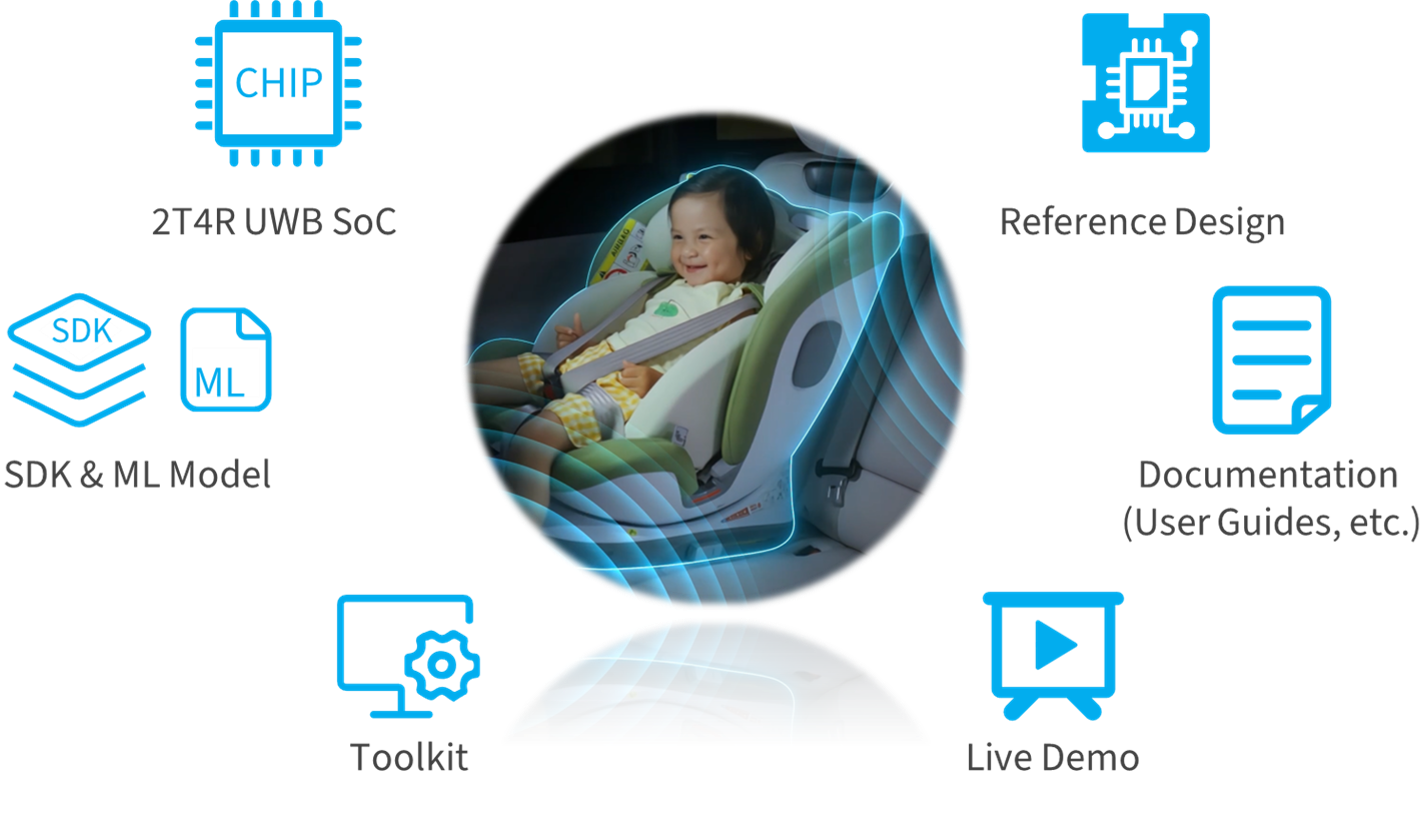
The development suite offers:
- Industry’s first high-performance 2T4R UWB SoC
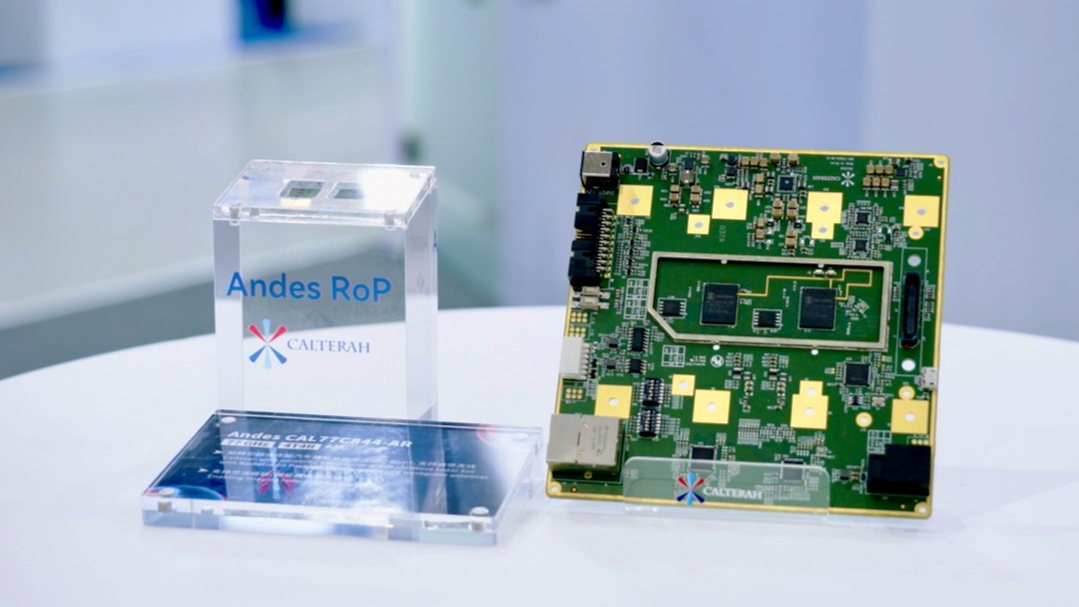
- Chip reference design: Providing a complete hardware reference design to help customers speed up product development
- SDK and machine learning model: A complete software development kit with a pre-trained machine learning model
- Toolchain: An end-to-end toolchain covering all stages, including data collection, model training, evaluation, and deployment
- Documentation: Detailed technical documents and user guides
- Real-time demos: Real-vehicle live demonstrations
As UWB CPD radar moves toward mass production, the industry faces three major challenges: great variations in test requirements of car OEMs, a lack of standardized development processes, and lengthy deployment cycles. To address these challenges, Calterah has introduced a complete CPD radar development suite based on Dubhe CAL1106AQ, providing an integrated solution with advanced hardware and software capabilities.
In terms of hardware, Dubhe CAL1106AQ is the industry’s first 2T4R UWB SoC, delivering enhanced detection performances and higher accuracy in angle measurement. On the software side, Calterah has developed a complete end-to-end toolchain and a standardized SOP covering the entire development process, from data collection, radar signal processing, and feature extraction to machine learning training and deployment. By transforming development into a streamlined and repeatable workflow, the development suite significantly reduces development efforts and shortens time to market.
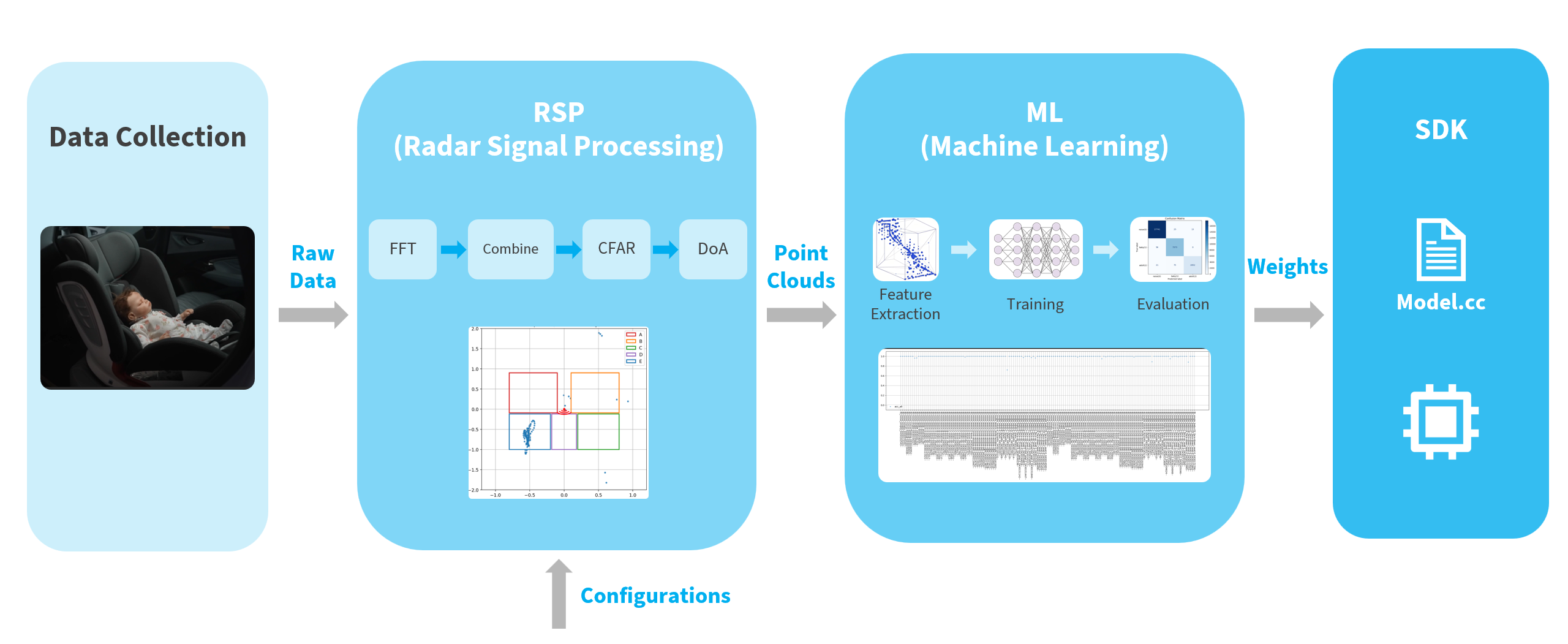
- Data collection: Calterah’s standardized labeling methodology and scientific ratio of positive samples to negative samples ensure high-quality data collection.
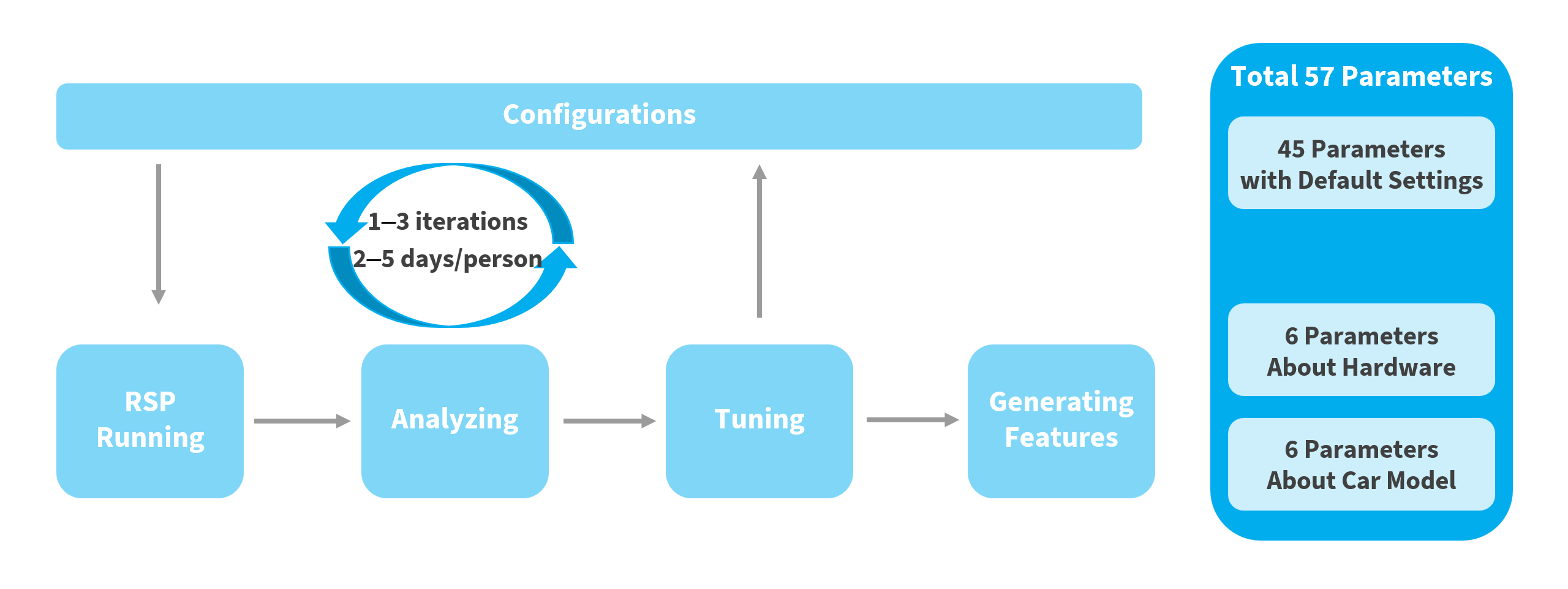
- Radar signal processing: With a layered parameter design, most users and vehicle models can use the default parameters, while only a small number of parameters require fine-tuning for specific vehicle models and environments. This parameter design reduces vehicle adaptation complexity while maintaining algorithm flexibility. Combined with visual analysis tools, vehicle adaptation can be completed within several days.
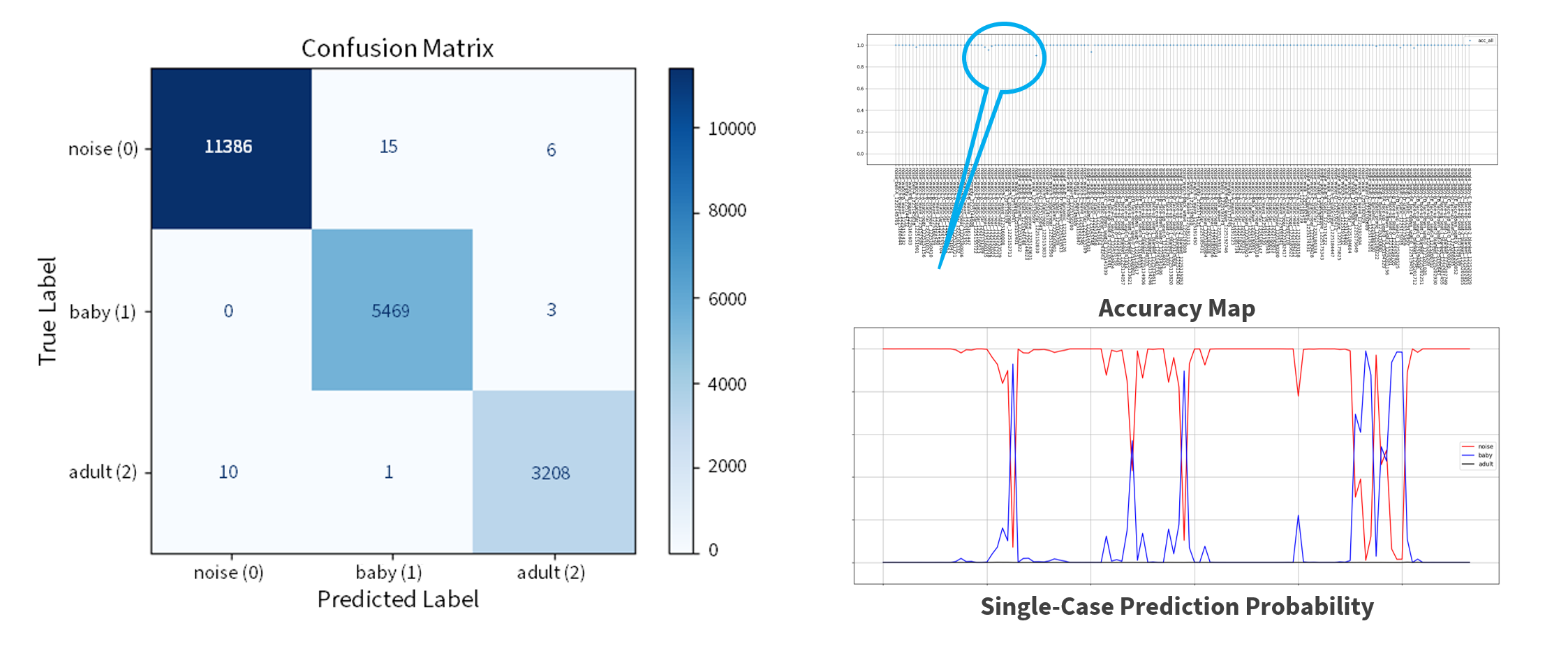
- Machine learning: The suite integrates a machine learning model optimized by Calterah, enabling users to complete model training through a standardized workflow. When training performance requires improvement, the suite helps quickly identify potential issues and supports collecting targeted augmentation data. In most cases, model training can converge after only a few iterations.
- Deployment: After model training is completed, the toolchain automatically generates the required SDK code. Users only need to replace the generated code and recompile the software to complete deployment for both algorithms and hardware. The whole process is a highly automated workflow.
Calterah’s end-to-end toolchain delivers four key advantages:
- Standardization: A complete SOP covers the entire development process.
- Visualization: Intermediate results and runtime logs at different levels enable efficient evaluation and troubleshooting.
- Scalability: Supports various vehicle models, test scenarios, and antenna configurations.
- Deployability: An automated workflow ensures fast and reliable deployment.
Calterah is committed to providing OEMs and Tier-1 suppliers with a comprehensive UWB CPD solution that lowers development barriers, shortens mass production cycles, and accelerates the application of child presence detection in mass-produced vehicles.